A Familiar Form, A New Opportunity
Canon's Strategic Re-release: Capitalizing on Nostalgia and Trends
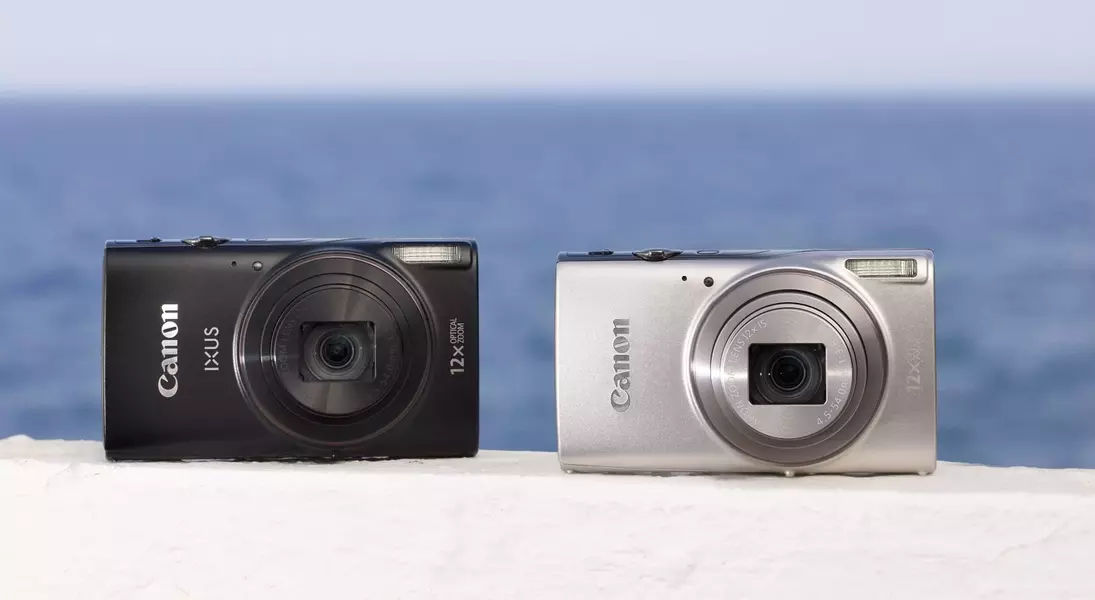
Canon has strategically opted to reintroduce one of its popular, affordable PowerShot point-and-shoot cameras from 2016. The original model, which became difficult to find due to its viral resurgence, especially after being spotted with celebrities, is now making a comeback as the PowerShot Elph 360 HS A (known as Ixus 285 HS A internationally). This timely release aims to provide ample availability of the compact camera, equipped with its signature 12x optical zoom, for a market eager for its return.
Unpacking the 'New' Model: Minor Tweaks and a Price Hike
Despite its "new" designation, the 2025 version of the camera is largely identical to its 2016 counterpart, prompting some to question if it truly constitutes an upgrade. While it maintains the compact design and 12x optical zoom, there are subtle changes. The updated model forgoes some color options available in the original and notably carries a higher price point, increasing from 9 to 9, with international pricing still to be confirmed. These adjustments might deter some, especially given that the original wasn't considered a top-tier compact camera in its time.
Technical Specifications: A Carbon Copy with Minor Downgrades
The PowerShot Elph 360 HS A / Ixus 285 HS A retains the core technical specifications of its predecessor. It features a small 1/2.3-inch sensor, capable of capturing 20MP still images and 1080p video, along with a 12x optical zoom ranging from 25-300mm at f/3.6-7. The optical zoom remains the primary advantage over smartphone cameras for many users. However, the new version surprisingly sticks to micro USB for charging instead of adopting the more modern USB-C, and shifts from SD card media to micro SD, which some may view as a regression. Furthermore, a refresh to modern Wi-Fi standards means users lose the ability to transfer images directly or print to a PC, marking another small but noticeable downgrade.
Canon's Market Move: A Simple Reissue for a Hot Market
In a market where many camera brands are hesitant to release new point-and-shoot models, Canon's decision to reissue a popular older model is a shrewd move. The company appears to be banking on the renewed interest in these compact cameras, allowing them to profit by simply making an in-demand product available again, without the need for significant technological advancements. This strategy allows Canon to tap into the current trend and satisfy a niche demand with minimal development effort.