This report offers a comprehensive overview of several contemporary technological developments and their societal ramifications. It addresses the evolution of defense strategies, including the concept of a 'Golden Dome' missile defense system, and the increasing reliance of artificial intelligence on substantial energy sources like nuclear power. Furthermore, it examines how new technologies influence medical diagnostics, environmental conservation efforts, and the ever-present challenges of data privacy. The compilation also highlights intriguing aspects such as hidden artistic elements within microchips and the expanding role of virtual reality in military contexts.
Former President Trump's administration, shortly after taking office, initiated discussions around developing a domestic missile defense system, initially dubbed 'The Iron Dome for America' and later 'Golden Dome.' This concept, inspired by Israel's successful Iron Dome, aims to protect against short-range projectiles. The recent escalation of conflicts in the Middle East has reignited debates within the administration regarding the urgency and feasibility of such a system. While the Iron Dome has proven effective for Israel, its applicability and the scale required for a nation as vast as the United States raise significant questions about its practicality and whether it represents true security or merely a symbolic gesture. The admiration for Israel's system, partly funded by the US, underscores a desire to replicate its defensive capabilities on American soil.
Concurrently, the burgeoning demand for energy by artificial intelligence has led major tech giants such as Meta, Amazon, Microsoft, and Google to explore nuclear power solutions. This unexpected alliance between the tech industry and nuclear energy sector presents potential mutual benefits: a stable, large-scale power source for AI's massive computational needs and a revitalized market for nuclear power. However, the timeline for developing and deploying advanced nuclear technologies often clashes with the rapid pace of AI development, posing a considerable hurdle to these collaborations. This strategic pivot towards nuclear energy reflects the immense power requirements of the ongoing AI arms race.
Beyond defense and energy, technological progress continues to reshape other facets of modern life. For instance, the deployment of AI in medical diagnostics has shown a surprising downside: doctors' ability to detect cancer diminished by approximately 20% within months of integrating AI tools, indicating a potential 'deskilling' effect. In environmental science, researchers are proposing a carbon removal project in the Gulf of Maine to assess the ocean's capacity to absorb more carbon, while also noting the limitations of widespread seaweed farming for carbon capture. Digital privacy concerns are also escalating, as seen with a US appeals court granting a federal agency, DOGE, access to sensitive citizen data despite privacy objections. Furthermore, the UK's experience with age-checking measures on porn sites dramatically reduced traffic, and a peculiar recommendation for UK residents to delete emails during a drought highlights the hidden environmental footprint of data centers.
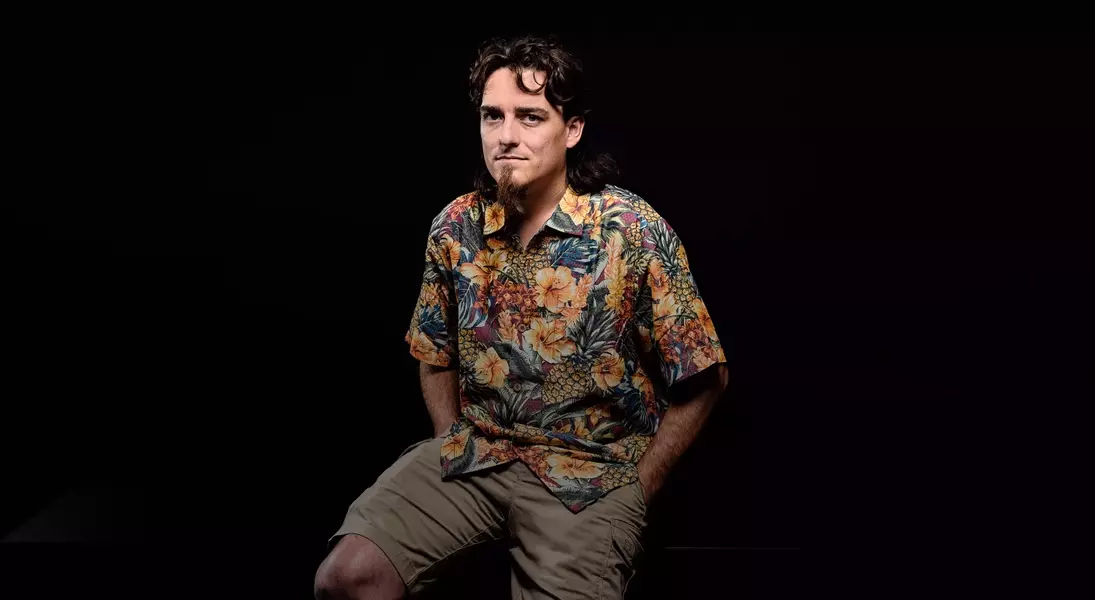
The discussion also veers into more esoteric technological frontiers, such as the discovery of tiny, hidden "doodles" or etchings within old electronic chips, meticulously sought out by a dedicated group of collectors. These miniature artworks offer a glimpse into the human touch behind mass-produced technology. Moreover, the evolution of virtual reality, particularly its application in military training and therapy for PTSD, is highlighted through the journey of Palmer Luckey, founder of Oculus and later Anduril. His transition from developing consumer VR to creating AI-enhanced defense technologies for the Pentagon illustrates the complex and often intertwined paths of innovation in both civilian and military sectors.
The collective narrative of these diverse technological pursuits illustrates a world in constant flux, where advancements in one domain invariably influence others. From national security and energy infrastructure to personal health and environmental sustainability, the march of technology presents both immense opportunities and unforeseen challenges, requiring continuous adaptation and thoughtful consideration of its multifaceted impacts on human society and the planet.