Do you have extra produce from your garden? Western Washington food banks would love a donation
N
Nathan Brooks
2025-11-09
4K views279 likes27 saves
Cultivating Community: Rainier Valley Food Bank's Abundance Mindset
As summer's warmth fades and autumn's chill approaches, the Rainier Valley Food Bank in Seattle, Washington, is reminding community members that their surplus harvests can make a meaningful difference. This unsung hero of the local food system is dedicated to nourishing families in need, and it's counting on the generosity of gardeners to help accomplish this vital mission.
Transforming Excess into Impact: Rainier Valley Food Bank's Call to Action
Tapping into the Bounty of Beacon Food Forest
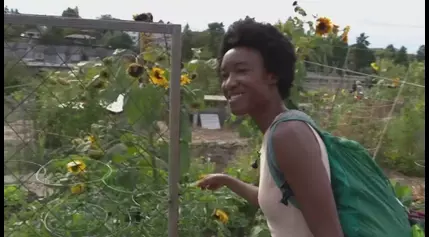
Nestled in Seattle's Beacon Hill neighborhood, the Beacon Food Forest is a lush oasis where the community comes together to grow, harvest, and share produce. This collaborative garden serves as a vital pipeline for the Rainier Valley Food Bank, providing a steady stream of fresh, nutrient-rich fruits and vegetables to nourish families in need.Volunteers like Janee McNeil and Maddie Price play a crucial role in this effort, tending to the Food Bank Plot and ensuring that the abundance from this urban green space finds its way to those who need it most. "There's definitely something for everyone here if you're even remotely interested in helping with food justice," McNeil reflects, underscoring the inclusive spirit that permeates the Beacon Food Forest.
Expanding the Reach of Culturally Relevant Produce
The Rainier Valley Food Bank recognizes the importance of providing culturally relevant foods to the diverse communities it serves. Executive Director Gloria Hatcher-Mays emphasizes the organization's openness to all types of produce, from familiar favorites to more niche offerings. "We serve about 550 households each week through our home delivery program," she shares, "and we're always eager to receive donations of culturally relevant produce to better serve our community."By tapping into the diverse culinary preferences and growing practices of local gardeners, the Rainier Valley Food Bank can ensure that its offerings resonate with the people it aims to support. This holistic approach to food distribution not only nourishes bodies but also celebrates the rich cultural tapestry of the region.
Streamlining the Donation Process
The Rainier Valley Food Bank has made it easy for community members to contribute their surplus harvests. "You don't have to come to Rainier Valley to deliver your produce," Hatcher-Mays assures. "Any food bank would welcome a donation." To ensure transparency and accountability, the organization asks that donations be dropped off at the designated entrance, where they can be weighed and documented.Tuesdays and Thursdays are especially ideal for drop-offs, as the food bank prepares to distribute fresh produce to the community through its pop-up grocery stores on Wednesdays and Fridays. This seamless integration of donation and distribution ensures that the abundance from local gardens has a direct and immediate impact on the lives of those in need.
Fostering a Culture of Generosity and Engagement
The Rainier Valley Food Bank's mission extends beyond simply collecting and distributing food. It aims to cultivate a sense of community, empowerment, and active engagement among those it serves and those who support its efforts."We really are open to taking any abundance that you have in your garden," Hatcher-Mays emphasizes, underscoring the food bank's gratitude for all donations, no matter their size or origin. This inclusive approach not only nourishes bodies but also nurtures a spirit of collective responsibility and goodwill.For those with a volunteer spirit, the Beacon Food Forest offers an opportunity to participate directly in the food justice movement. As McNeil notes, "It's important for people to know about this because I think some can benefit from the resource or could help with it, and they just don't know about it." By leveraging the power of community involvement, the Rainier Valley Food Bank and its Beacon Food Forest partner are transforming individual actions into a powerful force for positive change.