The impact of video games on politics -, Gaming Blog
S
Sophia Bennett
2025-11-10
28K views280 likes47 saves
The Rise of Esports: Navigating the Intersection of Gaming, Politics, and Economics
The world of video games has undergone a remarkable transformation, evolving from a mere pastime to a powerful force that now extends its influence into the realms of politics, economics, and international diplomacy. As governments and industries grapple with the implications of this rapidly growing sector, the landscape of video game competitions has become a focal point of intense scrutiny and debate.
Unlocking the Potential of Esports: A Multifaceted Phenomenon
The Competitive Landscape of Video Gaming
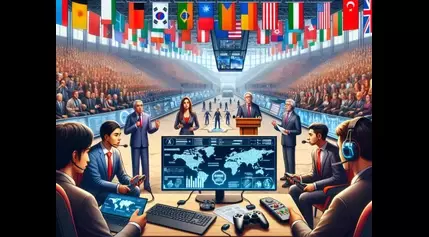
Video game competitions have captivated millions of spectators, generating substantial revenues and attracting the attention of governments worldwide. These events have become a significant economic force, with platforms like National Casino closely monitoring the developments in this fast-growing sector. Governments recognize the potential of this industry and are seeking to regulate it, balancing the need for innovation with the protection of players' rights.
The Economic Implications of Esports
The rise of esports competitions has created a new economic ecosystem, attracting sponsors, investors, and international brands. This influx of capital has led to a surge in revenue, prompting governments to re-evaluate their tax policies and consider the ethical implications of online gambling. As the industry continues to evolve, policymakers must adapt to this changing landscape, ensuring that the financial aspects and ethical practices of these competitions are properly addressed.
Esports as a Diplomatic Tool
Video game competitions have transcended their role as mere entertainment, becoming a platform for international diplomacy. These events bring together players from around the world, creating forums for exchange and dialogue between nations. The political stakes involved in these competitions can sometimes mirror the dynamics of traditional sporting events, with governments seeking to leverage these platforms to showcase their influence and soft power.
The Future of Esports Competitions
The future of video game competitions will largely depend on the decisions made by policymakers. Governments must strike a delicate balance, supporting innovation while also protecting the well-being of players. Regulations on content, data protection, and player welfare will be crucial in shaping the trajectory of this industry. Industry stakeholders must adapt to these new rules and guidelines, ensuring the long-term sustainability and growth of esports.
Regulating the Esports Landscape
Governments are increasingly focused on the regulation of video game competitions, recognizing the need to address the legal and ethical challenges posed by this rapidly evolving sector. Authorities are seeking to protect young players while also encouraging the growth of the industry. Discussions around the introduction of strict regulations are underway, aimed at providing a comprehensive framework for the financial aspects and ethical practices of these competitions.
Safeguarding Player Welfare
Player protection has emerged as a central issue in the political debates surrounding esports. Video game competitions can expose participants to intense pressure, raising concerns about their mental and physical well-being. Governments and organizations are exploring ways to guarantee a healthy environment for players, including the implementation of rules on playing hours and mandatory breaks. This proactive approach is crucial for the long-term sustainability and success of the esports industry.
Navigating the Geopolitical Challenges of Esports
International video game competitions have the potential to reflect and amplify geopolitical rivalries between nations. Governments may use these events as a platform to showcase their influence and assert their dominance. The question of neutrality and impartiality in these competitions has become a pressing concern, requiring the development of international regulations that can adapt to these new realities.
Video Games and Cultural Policies
Video games are not merely a form of entertainment; they are also a means of cultural expression. Countries' cultural policies can have a significant impact on the content and availability of video games. Some governments impose restrictions on video games based on cultural values or political considerations, forcing the industry to navigate a complex web of regulations across different jurisdictions.
The Influence of Video Games on Public Opinion
The themes and narratives presented in video games can have a profound impact on public opinion and perceptions. Governments are becoming increasingly aware of this power and are seeking to control the messages conveyed through these interactive media. The influence of video games on public opinion has transformed them into a political tool, with policymakers seeking to harness their potential to shape societal attitudes and beliefs.
Monetizing Esports Competitions and Tax Implications
The monetization of video game competitions has created significant tax challenges for governments. The revenue generated by these events is substantial, and authorities are seeking to ensure fair taxation of the earnings. Debates on the taxation of esports earnings are ongoing, and regulations will need to adapt to the evolving business models of the video game industry and its associated competitions.